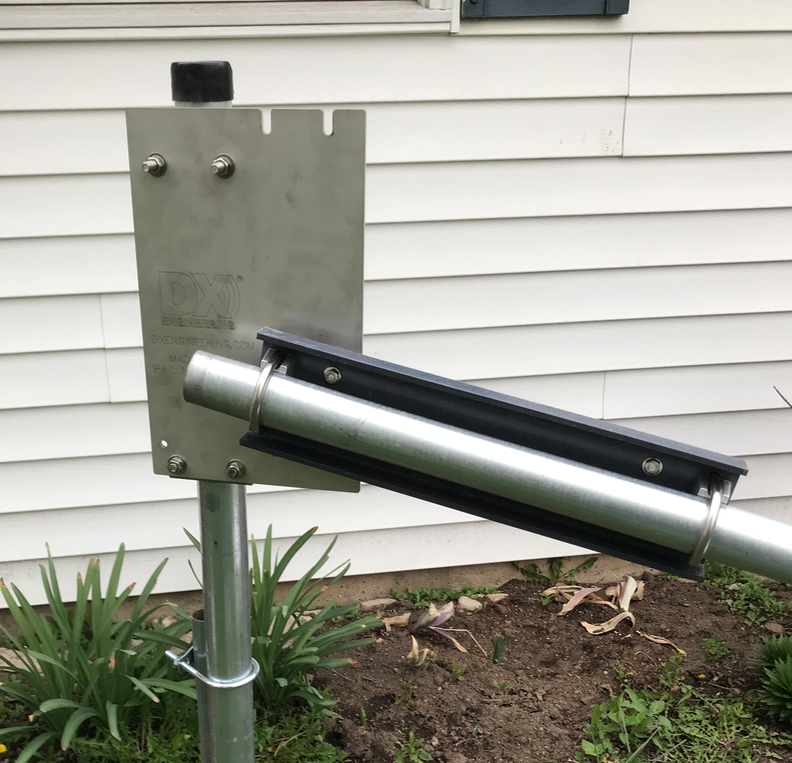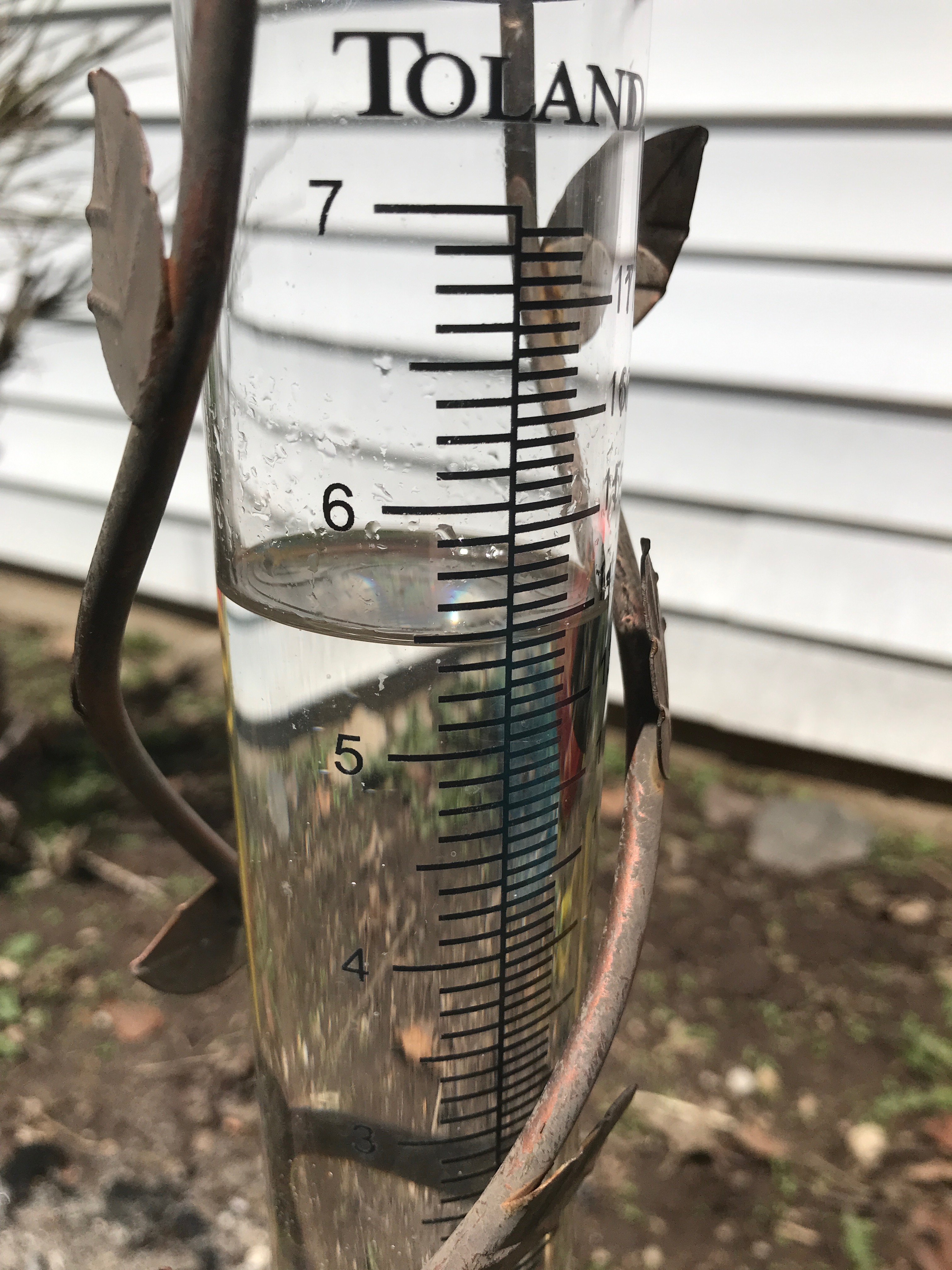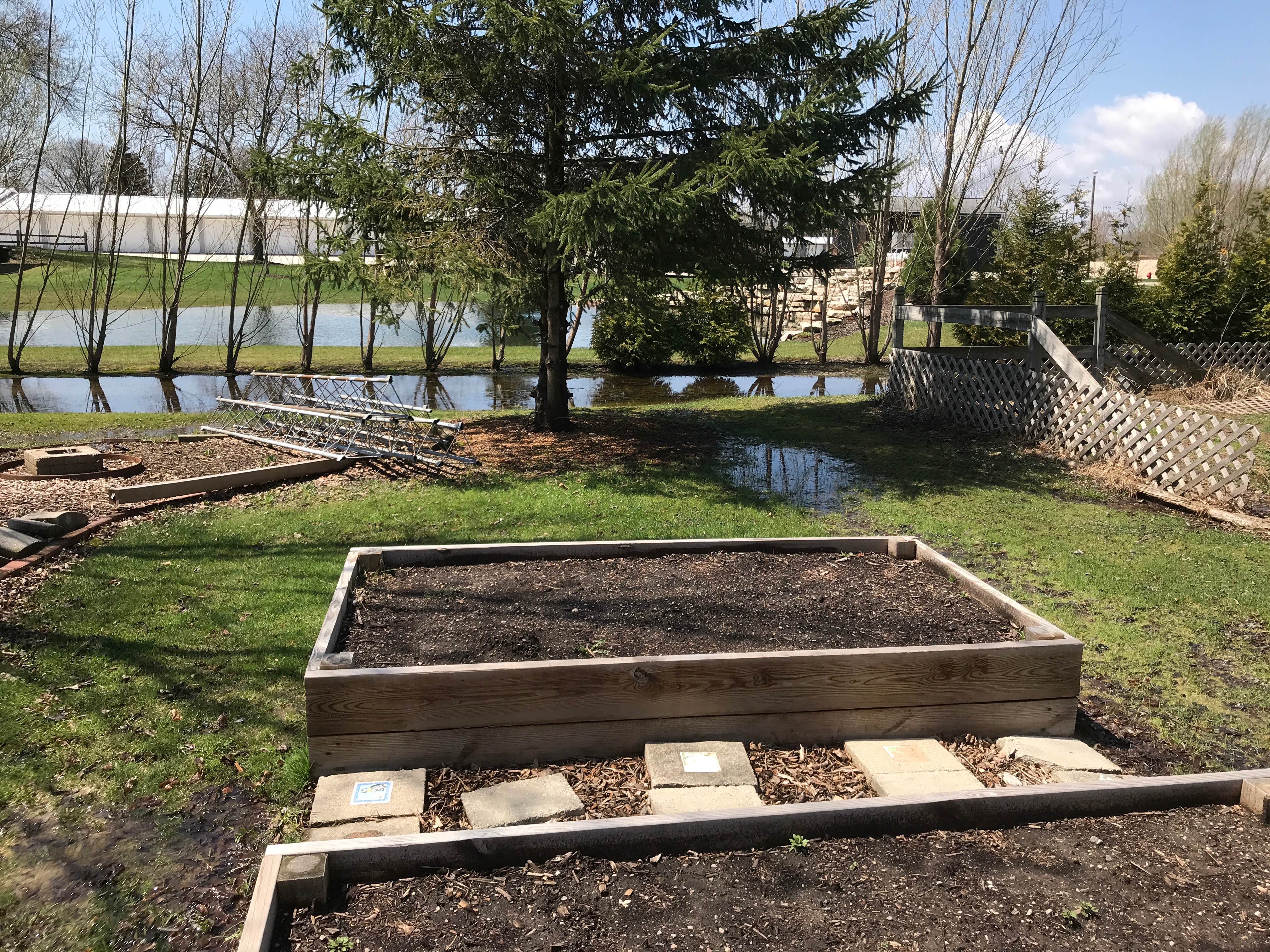

The Move, shifting all of my radio and computer gear to the basement, is now officially underway. Well, sort of. Nothing has actually gotten moved yet. I’m still in the process of cleaning out the area I want to use and getting it ready. But the handwriting is on the wall. MrsGF is retiring at the end of Feb and if I don’t move out of our shared office we’re going to drive each other nuts.
For years now my “radio shack” has been shoved into a corner of the office MrsGF and I share, with all my equipment perched on a single desk and a small filing cabinet. It’s worked, but it has been awkward and cramped. There just isn’t enough room. I have a work table in that room as well where, theoretically, at least, I was going to be able to tinker with electronics and repair equipment. But because the room is also our office, what actually happened was the table ended up with about ten inches of papers, books, files and I don’t know what all else on top of my tools and test gear. To make things even more cramped, I also have a big iMac, various graphics tablets, several RAID arrays, three printers, including a massive professional photo printer, well, you get the idea. Then add in MrsGF’s desk, computer and all her stuff, and something has to go, and that’s me.
Even that wouldn’t be so bad if it weren’t for my own psychological quirks. I simply cannot concentrate if there is someone behind me. I’ve always been that way. Her desk and computers are directly behind me and when she’s back there I can’t concentrate on anything. I can’t read, can’t write, can’t work on photos or drawings. I also need a fairly quiet environment to get anything done. Soft music is okay, but the sound of someone behind me moving, coughing, talking on the phone… well, I just can’t deal with it.
So between the crowded environment up here and my own personal issues, well, I need to move this whole operation if MrsGF and I are going to stick together for another 40 years or so…
Unfortunately, the area I want to move into looks like this.

This used to be Eldest Son’s workshop in the basement when he lived with us years ago, and represents years worth of accumulated computers, parts, hard drives, terminals, networking gear and I don’t know what all else that he neglected to take with him when he moved out years ago. We never bothered with it before because I didn’t have any use for this space. And now that I do, the first order of business is getting all this stuff out of there, and that’s what I’ve been working on.
Some progress has been made, though! Really.

That bench there used to be covered three feet deep in stuff, so just getting that cleared out is a major victory. I’m hoping that by the end of the week I’ll have enough stuff shifted so I can start painting the walls. I’ll keep that work bench but put a nice sheet of plywood or something similar over the top of it to make a smooth work surface. The radios and computers will go here eventually. We’ll also have to rewire the whole area, adding a half dozen or so 120V outlets and at least one 220V outlet (maybe two) for the amplifiers.
There is another work bench behind me and to the left, about the same size, that is going to be where I’ll have my actual workbench with my meters and test gear, soldering equipment, tools, etc.
Anyway, that’s what’s been going on here of late. I’m sure MrsGF is eagerly looking forward to getting me out of the office so she can move all her stuff in.
JS8Call
I’ve been playing with a fairly new digital mode in amateur radio called JS8Call. It is based on the wildly popular FT8 mode that was first implemented with the WSJT-X software developed by K1JT and others. (WSJT-X is open source and it is available for Linux, Windows, OSX and Unix like operating systems. You can learn more about FT8 at https://physics.princeton.edu/pulsar/k1jt/index.html)
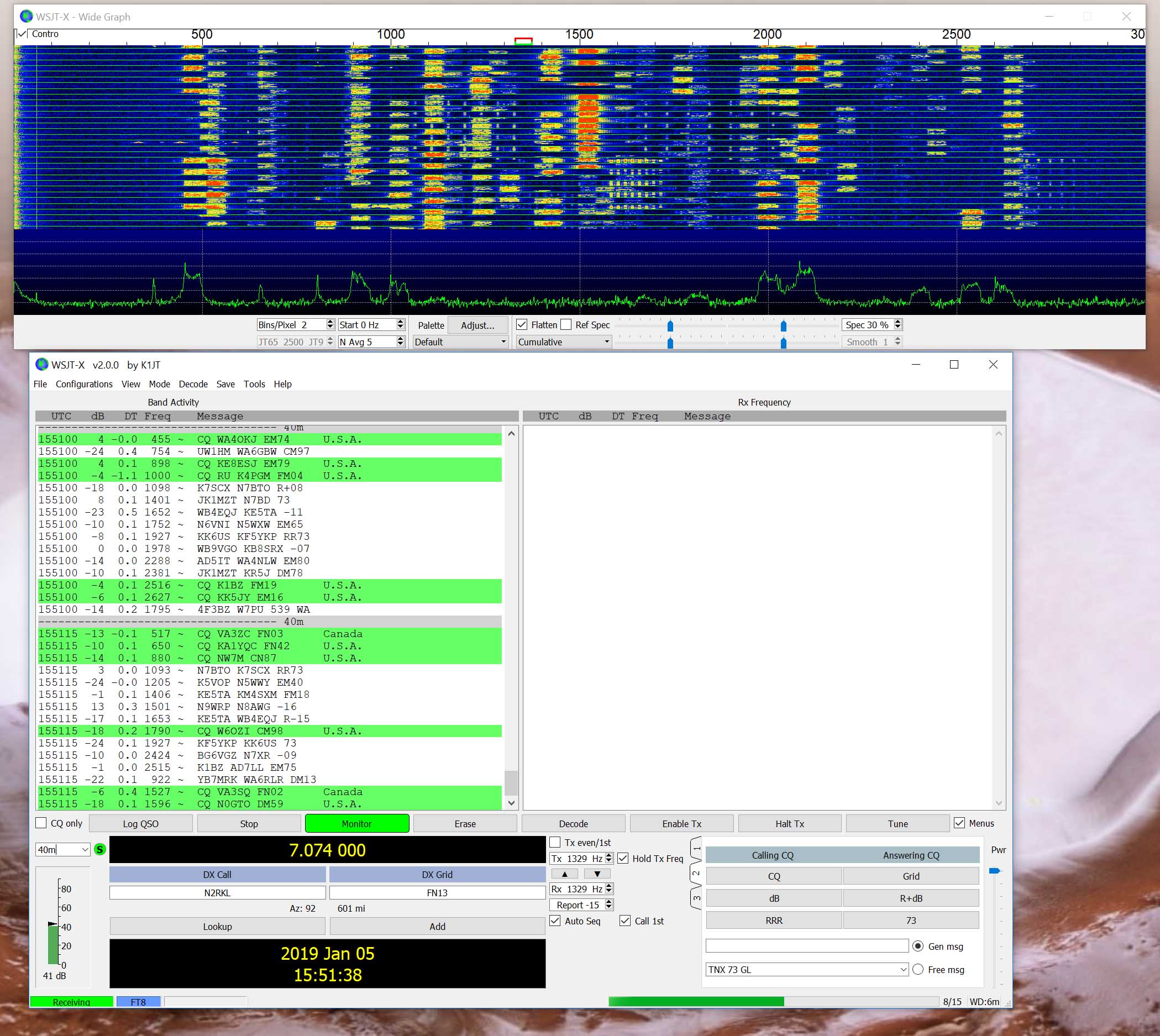
FT8 works well as a weak signal mode, allowing contacts to be made under poor conditions and with modest or even poor antennas and low power levels. But FT8 isn’t designed to actually communicate with other people. It is intended to make “contacts” only. And in the amateur radio world, “contact” means exchanging only enough information to fulfill the requirements of some contest or award program, and not actually talking to another person. In fact, it would be almost impossible to use FT8 to exchange any kind of useful information with another radio operator. FT8 exchanges call signs, a grid reference (location) and a signal report, and that’s it. And all of that is pre-programmed into the system. Once the contact is started, the WSJT software conducts the entire exchange by itself. There are provisions for a so-called “free message”, but it is extremely awkward to use and very limited.
And, frankly, boring. At least to me. Don’t get me wrong, I use FT8 myself. But after about half an hour of it I’m bored. I can’t actually talk to anyone, can’t ask questions, just sit there and watch WSJT go through it’s automated contact sequence. It gets dull fast.

That’s where JS8Call comes in. It uses the same digital encoding techniques used by FT8. It still uses the same 15 second transmission bursts. But it permits actual conversations to be held between two operators. Not very quickly, true. It looks like it’s limited to about 15 words per minute or less, but that’s still a heck of a lot faster than a lot of us can bang along in CW.
And since it uses the exact same encoding protocols used by FT8, it shares that mode’s robust nature and permits people with less than ideal equipment and antennas to make contacts they otherwise would not be able to make.
JS8Call has a lot of fun and potentially useful features as well as the ability to send actual text messages back and forth rather than FT8’s limited contact system. Messages can be directed to a specific call sign or a group of call signs. There are directed commands that you can send which will generated automated replies from anyone who hears them, it can relay messages to others if you have it set up right. There is a lot of neat stuff JS8Call is capable of doing. Read the documentation at their website to find out more.
So if you’ve use FT8 but have found it’s pre-programmed, automated contact system frustrating, give JS8Call a try. You can find out more about it at their website. Click here to take a peek.
A few things, though.
First, JS8Call is still very much in beta testing. New versions with added/changed features and bug fixes are being released every few weeks. While the program seems stable, it can have odd little quirks and problems from time to time. How it works and its various functions can change with each new edition of the software.
Second, because it is still in beta testing, it is not available for general release. You can indeed get it, but you need to join a discussion group to get access to the download. It isn’t a big deal. They aren’t going to spam you or anything like that. The reason for restricting access is, as I said, because it is still in testing and is being changed frequently. Once the feature set is frozen and they’ve worked all of the bugs out, a version will be made available for general release.
Third, because it is based on FT8, it has a lot of the same quirks and drawbacks FT8 has. It only transmits in 12.6 second bursts, based on a 15 second time frame. Your computer clock must be accurately synchronized. You are going to need to run a utility program that will keep your computer’s internal clock accurate. Most computer clocks are not accurate enough by themselves.
Fourth, as noted earlier, it isn’t exactly fast. You’re going to average about 10 – 15 wpm when using it. But as I also said, most CW operators don’t work much faster than that.
If you’re interested in the digital modes, are getting bored of FT8, give JS8Call a try.
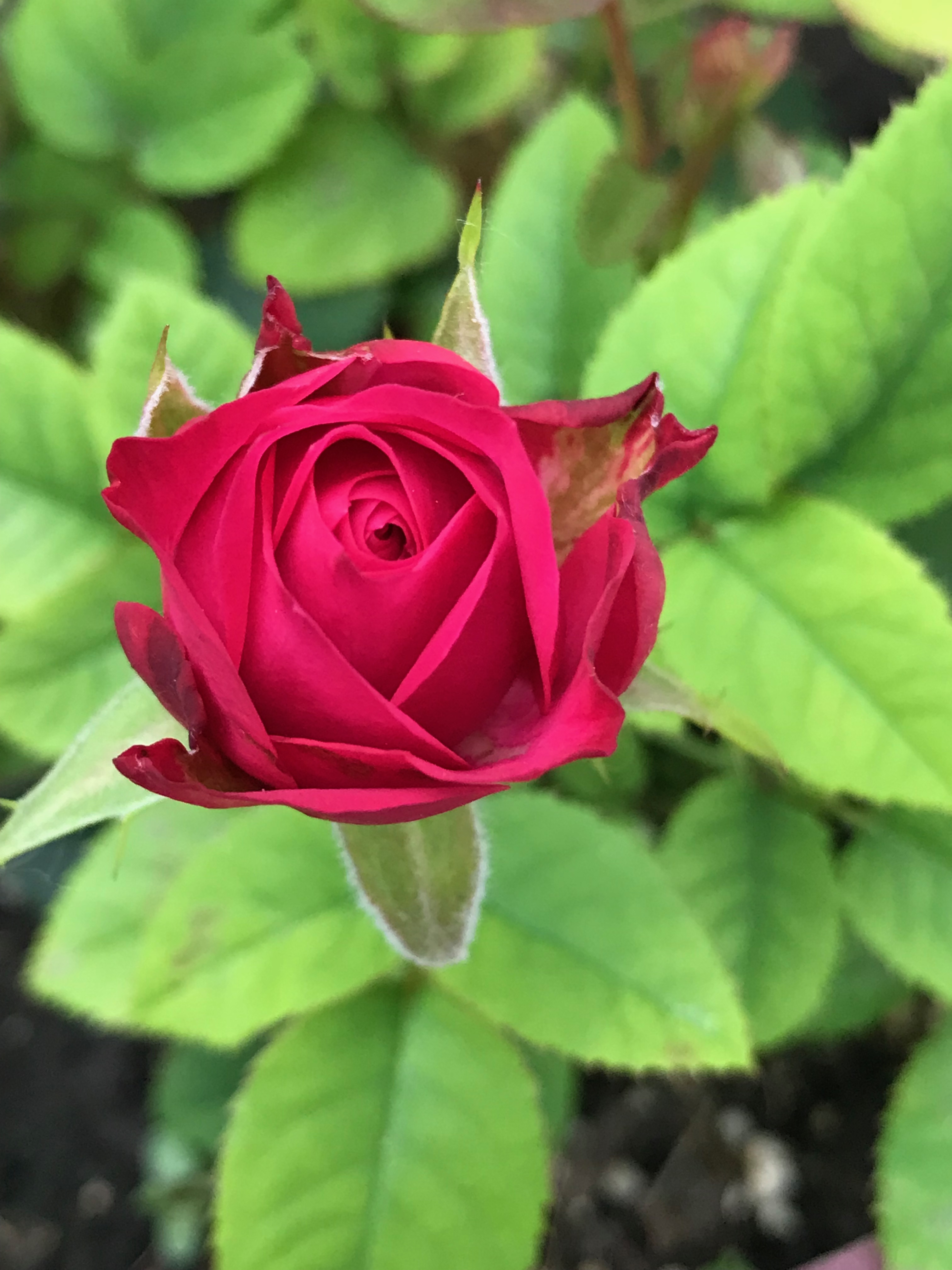 I picked up one of those goofy little roses in a teacup that you see at discount stores sometimes for MrsGF one day because I thought it would look neat on the window sill in the kitchen for a few days, and then it would probably die and we’d toss it and that would be the end of it. Well, MrsGF transplanted the dopy thing into a larger pot, stuck it outside and it’s been going crazy just like the tomatoes have. It’s quadrupled in size and has been putting out brilliant red flowers ever since.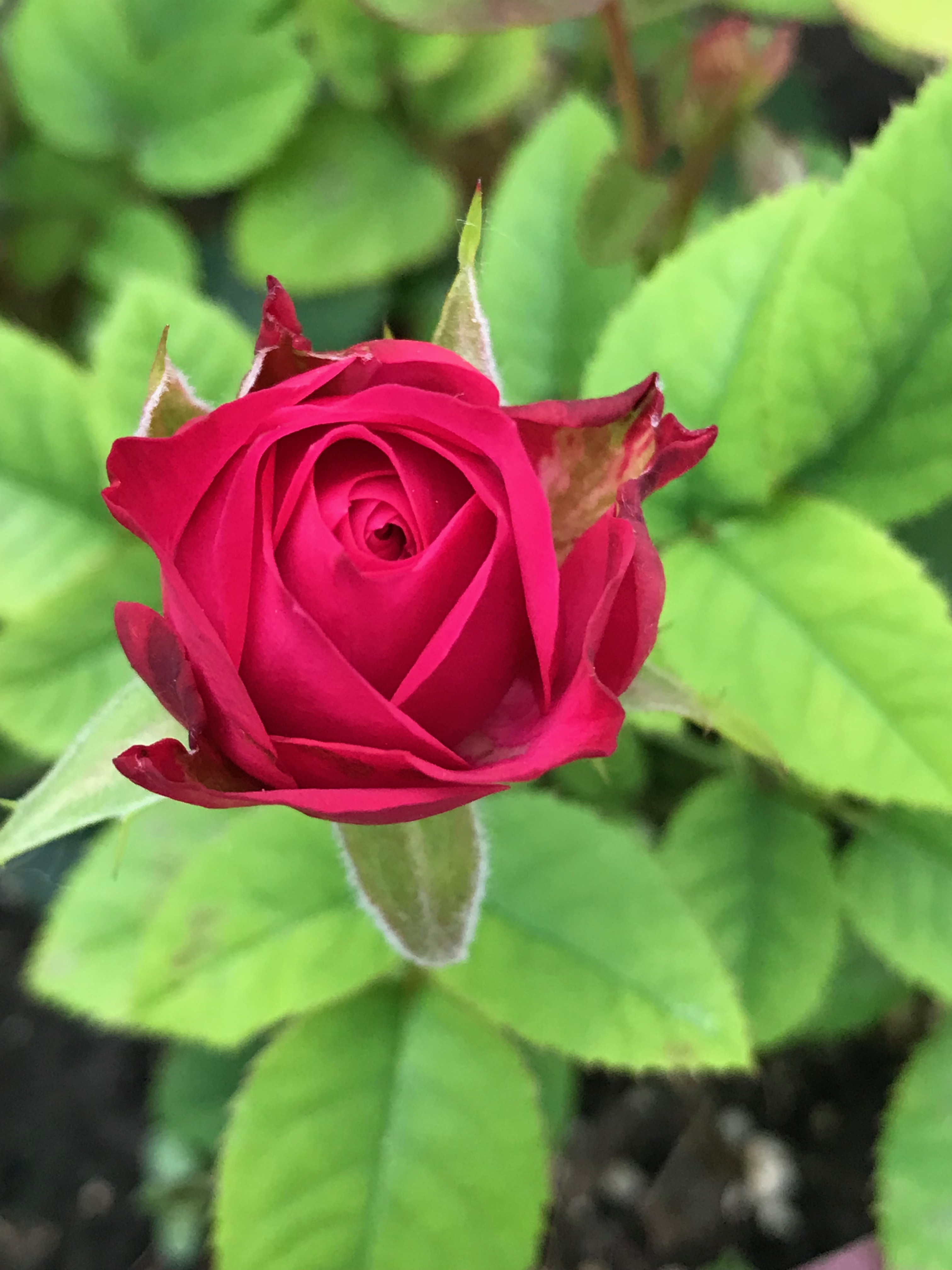


 This is an amazing time of year to be out in the countryside biking around. Everything is lush and green, everything is in flower this time of year. I sometimes struggle between the temptation to keep going to put on some miles in a reasonable amount of time and the temptation to stop every few hundred feet to take photos of some neat plant or flower as I rid around the backroads.
 I had it running when I was out on the bike Saturday and used it to plot my course when I did about 11 miles that morning. You can see the plot in the screen capture.
 While we live in town, we live in an area with large house lots, many trees, lots of bushes and a lot of rather lush vegetation, so we have the curse of the gardener, rabbits. Last year the little buggers ate all of my red runner beans almost as soon as they sprouted. There are mornings when I get up and I’ll see a half dozen of them in our yard or in the neighbors’ yards grazing on whatever the four legged locusts can gobble down. They’re getting more and more brave, too, coming out by mid afternoon in some parts of town. One of my neighbors tried live trapping them but had no success.
 So to keep the little four legged vacuum cleaners out of our veggies we resort to fencing and one of the things MrsGF and I did over the weekend was put one up to keep them out of our produce. We got new fencing this year to replace the nasty looking chicken wire we used previously. It’s only 2 feet tall, a dark green color to make it less intrusive looking, and it’s fairly easy to put up. Hopefully it will keep the little stinkers out of our just barely sprouting beans.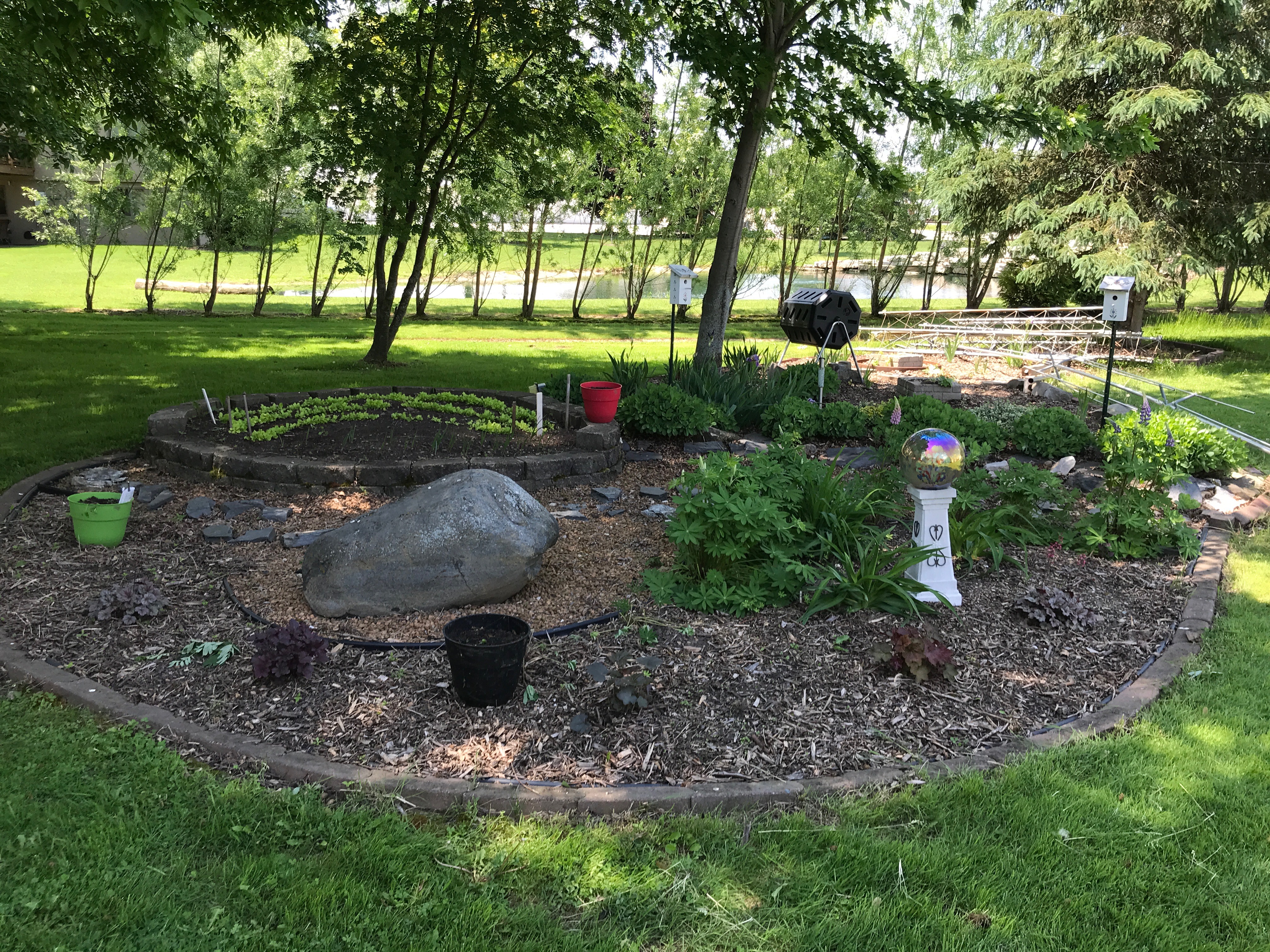



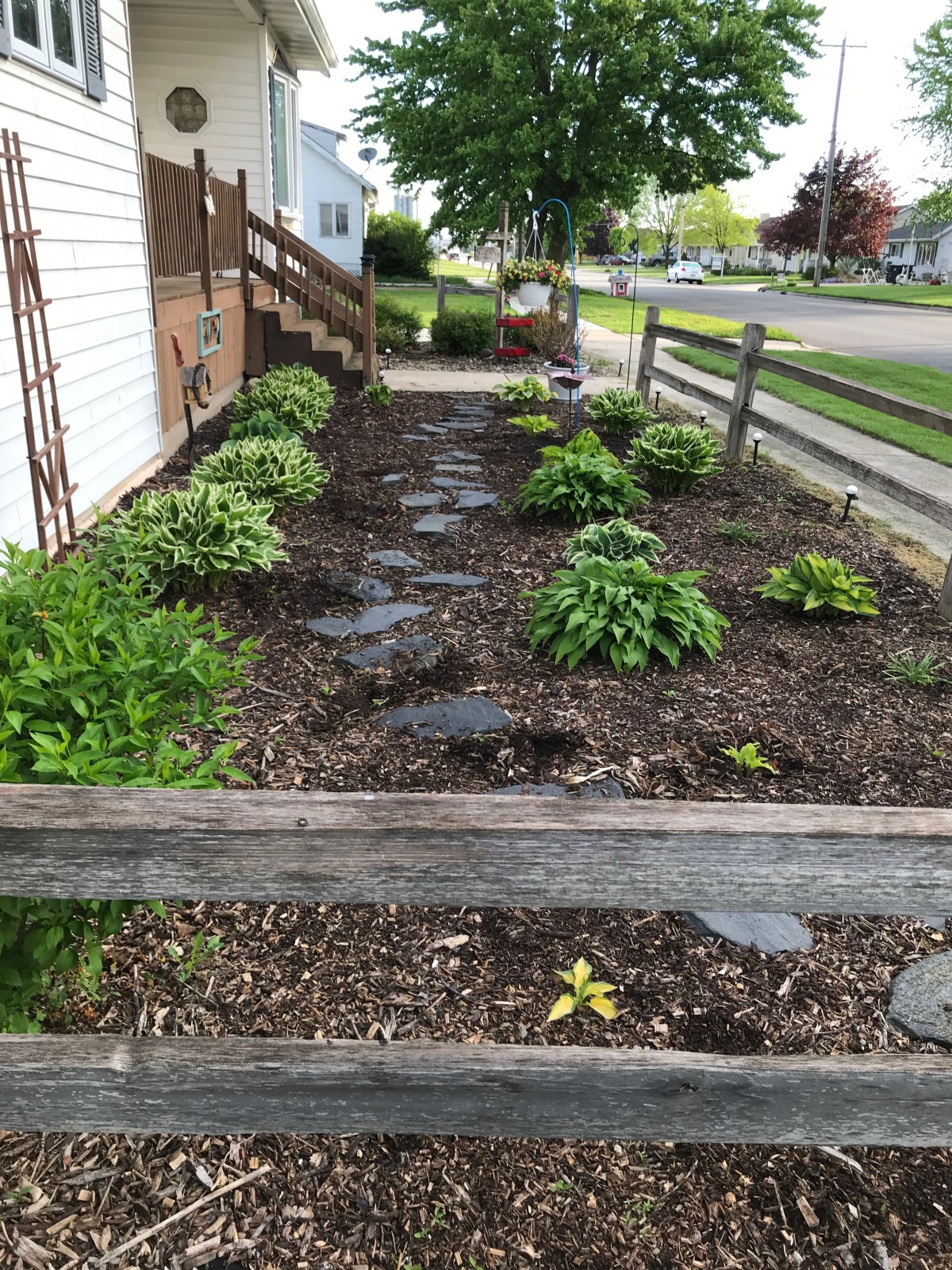
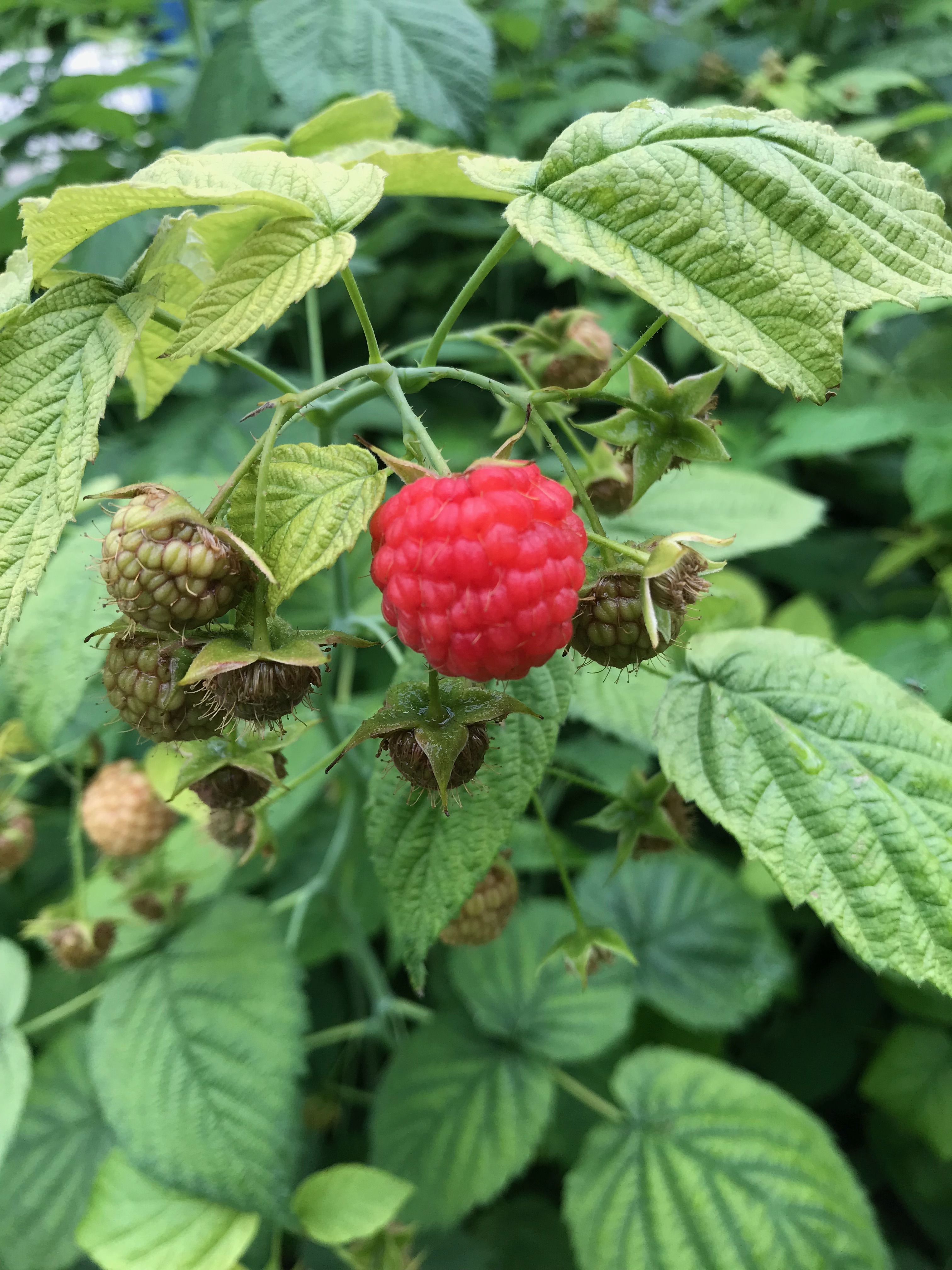
 The corner garden here has been completely redone. In the past it was mostly herbs and decorative plants, but this year we more than doubled it in size, hauled in a tons of compost (well, my aching back claimed it was tons) and it’s being switched to mostly vegetables this year. MrsGF put in something like 20+ pepper plants of varying types (can you tell we like peppers?) plus two blueberry bushes and a couple of rows of beans down along the front. The soil in there is so utterly horrible that I did something I very rarely do, I raked in some commercial fertilizer as well. We’ll see what happens. It will either be wildly successful or everything will die off.
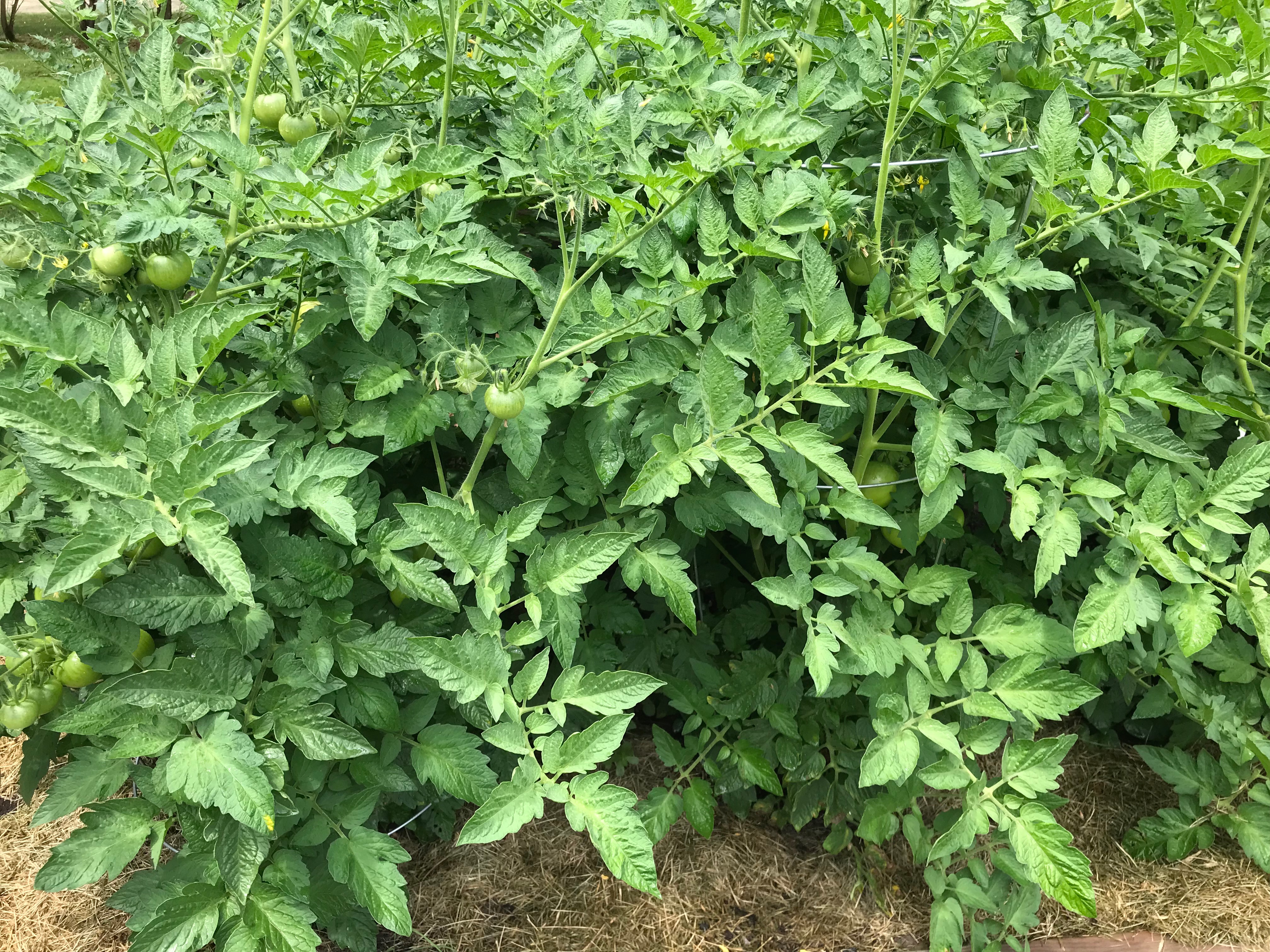
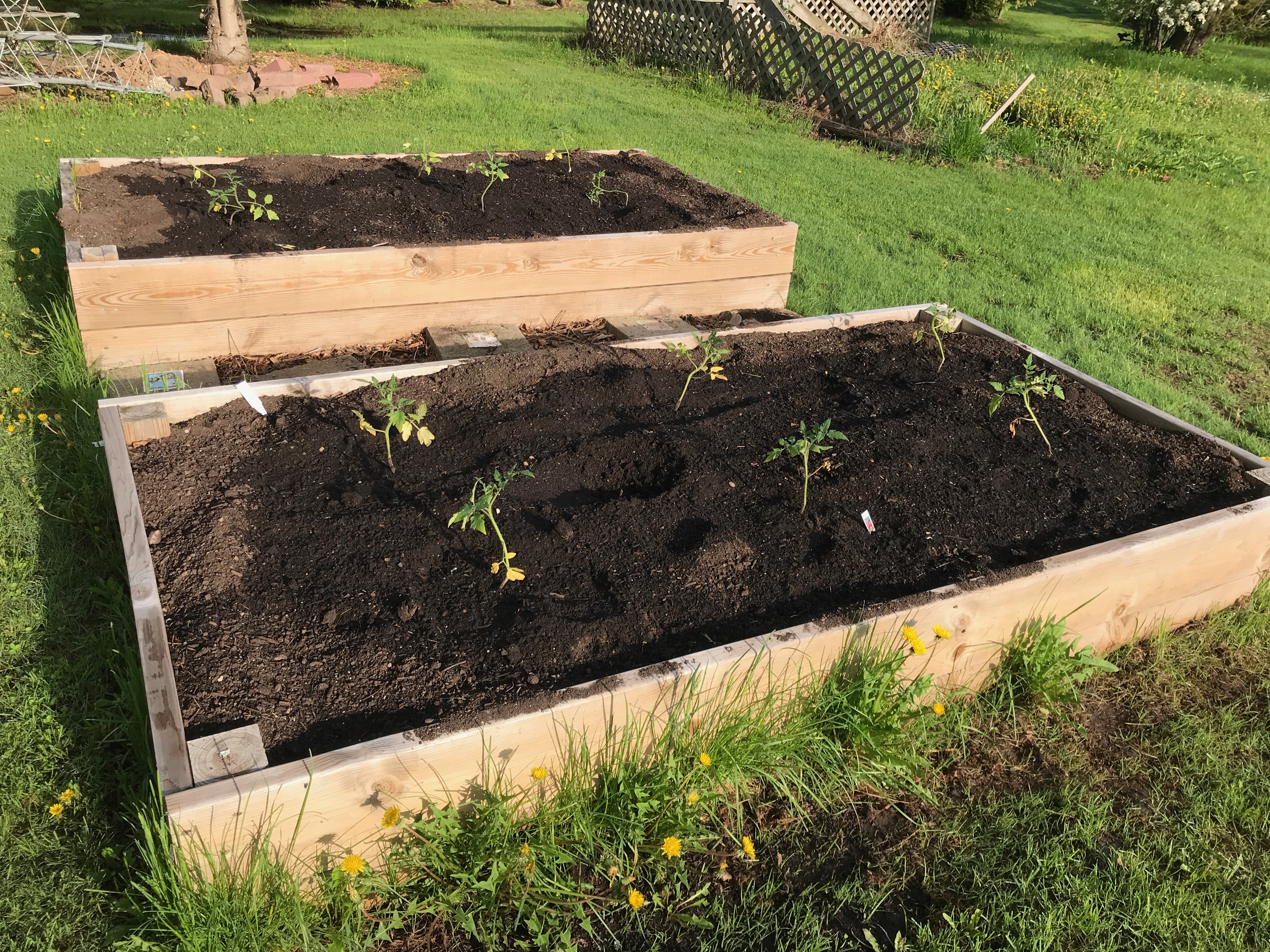 We were not going to make the same mistake we did last year by crowding too many plants into the two raised beds. It’s very tempting when putting in seedlings to crowd them in because it seems like there is so much wasted space, and forgetting just how big those plants get when they’re mature. We only put 6 plants in each of the beds this year and I hope that will help to eliminate some of the issues we had last year. While we avoided the dreaded blossom end rot last year, we did have some fungus problems because the plants were so crowded together.
 And then when I was walking around the yard yesterday I nearly stepped on this guy. Yes, we have snakes in Wisconsin. You wouldn’t think they could survive our winters up here, but several species do quite well. Heck, until the 1950s or 60s we still had timber rattlers around here. This little guy… Little? Ha, he was a good two and a half feet long. He scared the heck out of me although I’m sure nearly being stepped on while he was sunning himself in the grass scared him more.
 After the fiasco of wrecking the fold down mount for the GAP antenna, I put the crappy old Comet 250 vertical back up, hooked up the coax, went inside, checked to make sure everything looked OK, turned on the transceiver and — and immediately made about 6 different contacts all over North America with the thing on 40, 30 and 20 meters, running about 40 watts of power, less than it takes to run a modern lightbulb.