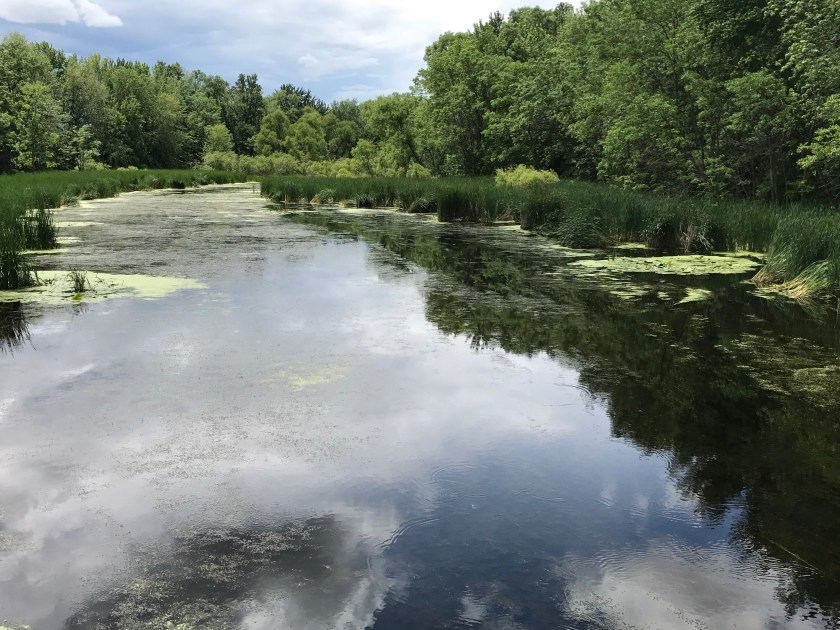
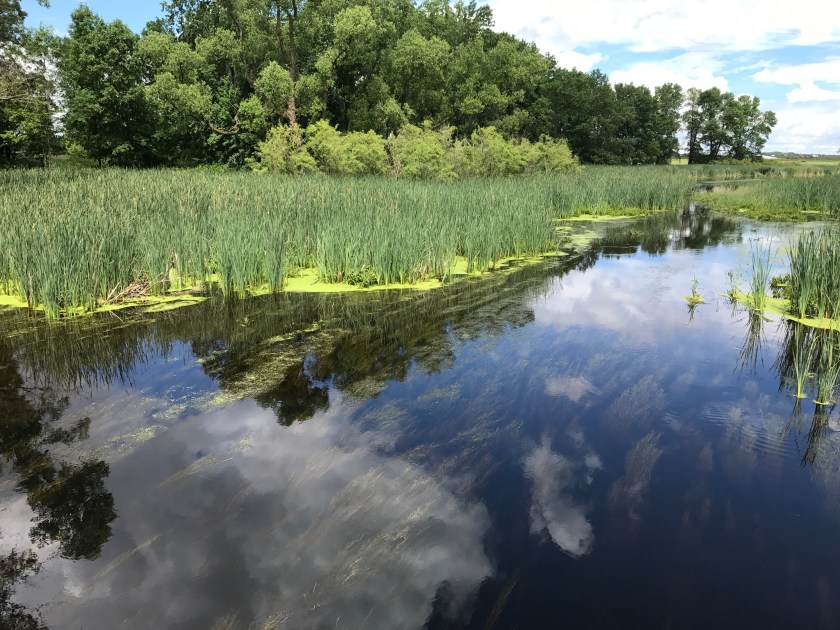
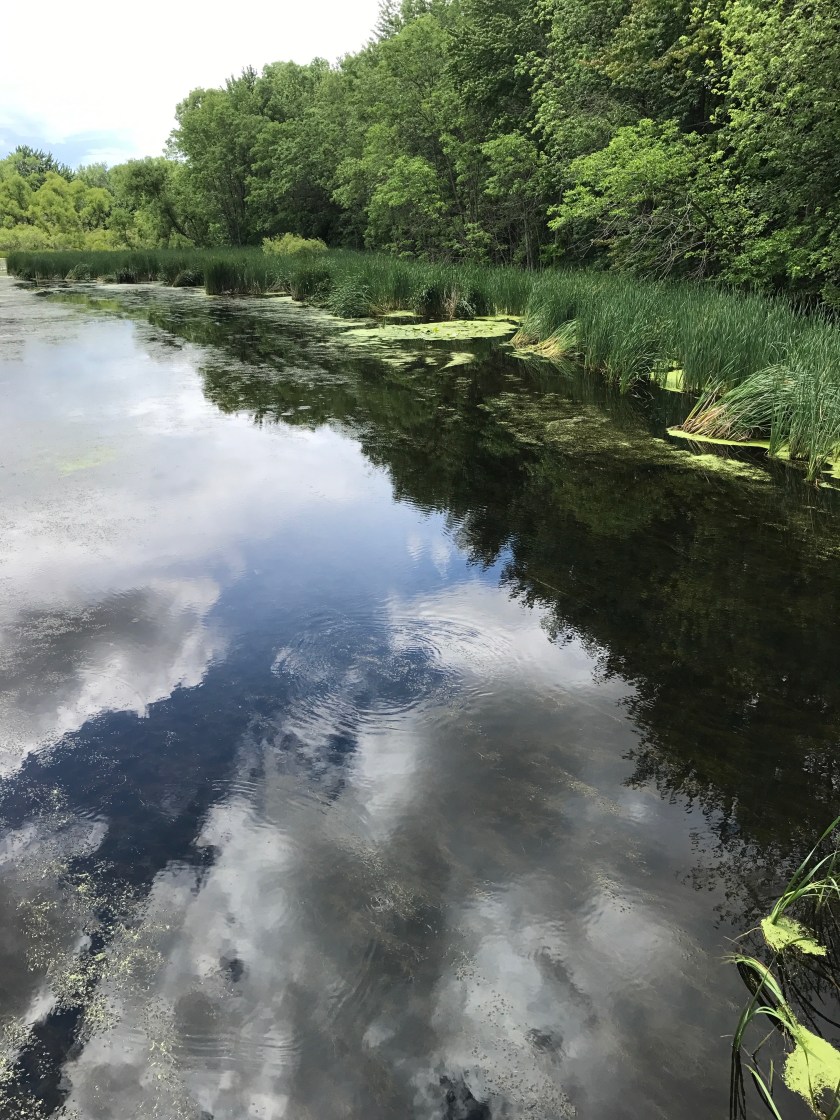
More Tiny flowers

It was always my opinion that even the best cell phone camera couldn’t do as good a job as even an average and relatively inexpensive dedicated camera. I may end up having to change my opinion. The camera in the iPhone 7 is actually pretty decent. It has some odd quirks, has difficulties figuring out what to focus on much of the time, but I have to admit it has been doing a decent job, certainly much, much better than the camera in the 6 was. It’s difficult previewing images on the screen, though, so I didn’t really know what I had until I got the photos transferred over and saw them on the big screen. Anyway, more tiny flowers! Here you go—

IMG_0327IMG_0328IMG_0326IMG_0329

Tiny Flowers

IMG_0352.jpg

Spent Monday at Whitefish bay dunes state park. Of course I forgot to throw the good camera in the car and was stuck with the iPhone. Maybe I’m just now starting to figure out how to use the thing and adapt to it’s quirks, but some of the photos I’ve been getting with it haven’t been utterly horrible, and even border on being acceptable. These little guys turned out pretty good. They’re tiny little flowers, maybe a quarter of an inch across.

Gardens, Flowers and Mr. Spiny

I never thought I’d have a cactus growing outside in my garden here in Wisconsin, but this is the third year we’ve had Mr. Spiny and he really seems to like it here.

IMG_0302.jpg

When we pulled this guy out of the compost heap and brought him home I never thought he’d survive more than a single summer. Instead it’s been thriving back there against the wall of the house. When we got him, he wasn’t in real good shape to begin with, but he showed his appreciation for being rescued by putting out brilliant yellow flowers, then embarked on more than doubling his size by shooting out new pads. Then last year he put out more new pads, and this year I counted 40 new pads sprouting off him.

I admit I know nothing about cactus, so him surviving and thriving is due more to him and dumb luck, but I’m pleased. Since we got him, I’ve found the same type of cactus out in Wyoming (found the hard way, I knelt on one. OMG did that hurt!). So if they can survive Wyoming winters, it makes sense that they could survive here.

IMG_0303.jpg

These guys put on a brilliant show in early summer, but to be honest I don’t really like this plant all that much. The long, pointed leaves flatten down to the ground and look shaggy and unkempt and kind of ratty. But when they flower they do look pretty for a while.

IMG_0304.jpg

These — I love the flowers, but they’re annoying. The flower stalks are spindly and very tall and tend to fall over. And they’re rather aggressive, getting into everything. Still, they’re really cheerful looking


IMG_0305.jpg

I’m eagerly awaiting the lilies. They’re loaded with buds this year. Ours are coming a bit late. Some of the neighbors’ are in full flower already, but they’ll be here soon enough.

IMG_0306.jpg

This guy, he popped up out of nowhere, a “volunteer”, as they call them, I guess. We didn’t plant him. It’s always fun when surprises like this pop up in the garden. Well, sometimes. Sometimes there is stuff you don’t want, like creeping jenny and ragweed, etc. But when something this pretty pops up? It’s delightful. Our maple tree in the back yard was a volunteer, springing up from seed in one of the vegetable beds one year, so we let it grow there for a couple of years, then moved it to a more hospitable area before finally putting it in its permanent location. It’s about 8 inches thick now and 20 feet tall.


Farm Catch Up

The ag news stories you might have missed this past week

Conagra sells Wesson Oil
Screen Shot 2017-06-05 at 6.45.31 AMConagra is selling it’s Wesson brand of oils to Smucker for about $285 million. Conagra has been going through a reorganization since 2015. Wesson is just the latest part of the business to go on the auction block. The company is trying to change it’s business from selling low profit staples and cheap processed food to producing higher end and higher profit items with fresh(er) ingredients including salsas, organic pot pies and speciality pork and chicken products.

Conagra has sold off it’s private label operations which made products like soups, cookies and other foods that supermarkets sold under their own brand name. The company bought that business in 2012 for $5 billion, never made a decent profit at it, and sold it off in 2015 for half the original purchase price. It even sold of Lamb Weston, the company that’s the french fry supplier to McDonalds and other restaurants. That didn’t make a lot of sense to be because Lamb Weston had had sales of $3 billion and was pretty profitable.

The Wesson brand has been around for more than 100 years. It was originally started by David Wesson in 1899, a chemist who invented a way to refine cottonseed oil to remove bad taste and smell from it so it could be used as a cooking oil.

The acquisition by Smucker is a bit troubling because it already owns Crisco shortening and oils so it’s certainly going to reduce competition in the market. I’ve heard that both products are going to be made at it’s processing facility in Ohio, so basically Wesson oil and Crisco oil are going to be exactly the same product with different labels. I wouldn’t be surprised if the Crisco oil brand (not the shortening) disappears entirely.

Syngenta Lawsuit Goes Forward
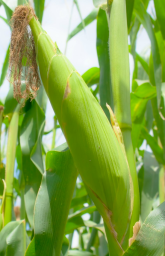
Screen Shot 2017-06-06 at 5.34.23 AMBack in 2012 Syngenta released a new GM variety of corn and promoted it heavily. farmers planted it, only to find that they couldn’t sell it to China. The Chinese government had not yet approved that variety of corn for import, and rejected all shipments that were contaminated with it, costing the farmers a lot of money. Grain exporter ADM is also suing Syngenta in a separate suit, as is Cargil.

The claim against Syngenta is that the company knew it’s new corn was not approved for import into China, and was deliberately misrepresenting the approval status of the corn when it was marketing it to farmers so they went ahead and used it. There are other lawsuits going on with more than 350,000 corn growers involved in individual or class action lawsuits against the company, with potential damages hitting $13 billion.

Making things even more interesting is that the China National Chemical Corp, owned by the Chinese government, is in the process of trying to buy Syngenta. So if Syngenta loses, China, which rejected Syngenta corn originally, will own the company.

This particular lawsuit involved 7,000 Kansas farmers, and as noted, others are in the pipeline.  It will be interesting to see how this one plays out.

Home Bakery Ban Overturned

The church/school bake sale is something of a tradition around here. Parents bake up all kinds of goodies and sell them at events to raise money for churches, schools, kids groups, etc. It’s also probably illegal here in Wisconsin. Or at least it was until the ban was overturned recently.

Wisconsin law states that bakery for commercial sale must be produced in a licensed, fully inspected commercial kitchen by staff that are properly licensed. While the state generally has ignored things like school/church bake sales for fund raising, it’s a different story if you try to sell your goodies at farmers’ markets and other places.

Until now. A judge overturned that law, and I’m not really sure if that’s a good thing or not.

While I have some sympathy for the women who were cited for selling their baked goods, there are valid reasons why these rules are in place, and the biggest is food safety.  I’m a stickler for food safety for a couple of reasons.

First because I’ve worked in the food service business, and Mrs. GF is still involved in it, and both of us know how incredibly easy it is for food to become contaminated and cause someone to become very, very sick indeed.

Second, because I’ve been one of those sick people. I was already nearly unconscious, suffering from explosive diarrhea, severe dehydration and I don’t know what all else when the paramedics carted me out of work on a stretcher and rushed me to the ER where I spent the night with multiple IVs hooked to me and wired up like a Christmas tree.

While I’m sure these women feel the state requirements are unnecessary, they are there for a reason. And I should point out that one of the reasons they are there is to protect them. If one of their products makes someone sick, don’t they realize that they are liable, especially if it can be proven that they were making products in a relatively uncontrolled environment like a home kitchen? They could end up being sued and losing everything they own.

Milk Mess

Screen Shot 2017-06-07 at 4.45.45 PMIf you look at some of the data being published in the press about the dairy industry, the markets now actually look pretty good. Sort of. In some parts of the world, at least, the dairy markets seem to be improving considerably, especially down in New Zealand. Prices are going up, in some cases significantly, improving the financial picture for farmers. Butter prices are strong and getting better, even the powdered milk market, which had been hit very hard by China’s cutbacks in dairy imports, is doing better. Milk production in the EU continues to drop, showing a decrease of about 2% or more.

But if you take a closer look at the entire picture, there are some troubling indications. Most of this positive data is coming from GlobalDairyTrade, a trade organization which pretends it is a free market in Australia and New Zealand, but really isn’t. It’s actually owned by Fonterra, the huge dairy co-op, and it sells only Fonterra milk products, so the data coming from it is skewed to begin with. And Fonterra has deliberately manipulated the market in the past by increasing or decreasing the amount of product flowing through GDT. So any time I see anyone taking GDT data seriously I wince a bit because not only are GDT prices easily manipulated, but it also deals with a fairly limited market, China and south east Asia, and a fairly limited supply source. A huge market, true, and a significant one. But dairy is a global business and is influenced by a lot more than just China.

The biggest problem right now seems to be US production which continues to go up despite a glut of milk on the market. Speculation that milk prices are going to improve significantly are pushing a lot of mega-farms to add more production, and new mega-farms are in the works. Here in Wisconsin Grassland, the company that infamously stopped taking milk from some 75 farmers here in the state because they claimed new Canadian trade rules cost them sales, is working to build it’s own, 5,000 cow dairy farm.

UW ag economist Cropps says milk prices could go over $17, maybe even hit $18 by the fall of this year, despite the fact US production could be going up by as much as 4%. But that’s based on the belief that China is going to significantly increase milk imports, that EU milk production is going to continue to decline, and production in New Zealand is going to remain flat or even go down a bit.

Changes Oh My

Well, this is going to take a while to get used to. For the first time in like forever, I’m unemployed. Deliberately unemployed. I submitted my resignation at work and I am retiring. Sort of. I won’t be filing for social security for another four years or so, but we planned for this and the finances are already worked out for this situation and active. But it still makes me nervous, anxious.

Granted, I wasn’t exactly working my tail off the last couple of years. I’d dropped back to part time and actually was only dealing with special events at the theater and filling in when one of the day crew was out or we had an emergency to deal with.

Still, it’s a strange feeling, not having a job to worry about.

Fat Saves Dairy Industry?

That’s what it is starting to look like. About the only bright spot in the dairy industry right now seems to be butter and, to a lesser extent, cheese. Butter sales are up dramatically, largely because the fact that eating dairy fats isn’t going to kill you (at least not any quicker than anything else) is finally starting to filter out into the mainstream.

One of these days I’m going to do an article about food and health, and all of the BS we’ve been told over the years. The amount of pure bullshit that we’ve been fed over the decades is mind boggling. From “healthy” hydrogenated plant fats in margarines and shortenings that were supposed to be “good” for us turning out to be responsible for tens of thousands of deaths, to coffee still being demonized despite the fact it seems to help reduce incidences of some cancers and may help prevent some kinds of dementia, to “juice cleanses” that don’t cleanse anything, to the multi-billion dollar “supplement” industry that is selling us little more than snake oil…

Infrastructure Plan? What Infrastructure Plan?

There’s been a lot of press about the administrations “$1 trillion” plan to rebuild the country’s infrastructure and everyone is going “Oh, goodie, isn’t that wonderful!”

But… Well, sorry, but there pretty much isn’t an infrastructure plan. Seriously. Oh, they’re talking a lot about it but no one is actually doing anything about it because talk is free and bridges cost money, so where’s the cash? There isn’t any. The administration can talk all it likes, but the administration doesn’t hand out the money, Congress does. Congress, not the administration, develops the plan, finds the money for it, etc, not the office of the president. And there is little or no work going on in Congress to do anything pertaining to the administration’s plans.

And some of the things the administration has been talking about are more than a little troubling, especially this “private partnership” thing. Why? Because in most cases these “private partnership” deals end up with things worse than they were before.

There is a reason why we don’t have a lot of toll roads and bridges in this country. It’s because we tried it before, going back 200 years or more, and it was a nightmare. Outrageous tolls, violence, unsafe bridges and roads, no investments in improving the system… One of the reasons we adopted a publicly funded, government owned highway and bridge system in this country in the first place was because the private operators so horribly abused the public, gouged them so badly on prices, that the government had to step in because the private model was destroying the transportation system in the country.

The problem with history is that no one seems to actually remember it.

As for this particular infrastructure plan, well, there isn’t one, as I said. Most of the things the administration is talking about like federal grants to local jurisdictions and all of that? That’s going on right now, for heaven’s sake. The federal government almost never directly funds highways and bridges, it does it through a system of low cost loans, grants, etc. Which is what the administration is claiming is its “new” plan. Oh, please…

And let’s face it, most of the problems we’re facing when it comes to the infrastructure system are our own fault because we don’t want to pay for it. Or, rather, the politicians we elect don’t want to because in order to actually pay for maintenance and new construction and all the rest they might have to raise taxes a few cents and that would make the corporations and lobbyists who bribe them buy their souls [ahem, sorry about that, funny how those typos slip in there] make nice contributions to their campaigns so they can continue the democratic process, a wee bit upset.

But here’s the thing, you are going to pay for it. One way or another. If we don’t pay for it through taxes, we’re going to pay through the nose for it in tolls or user fees. Someone has to pay the bill. There’s no such thing as a free lunch.

4:30 AM? Really???

Not farm related but… This is the third day in a row all three of those stupid cats have been sitting outside the bedroom door yelling at us at 4:30 in the morning. And I come stumbling out of the bedroom in dim light of dawn and stumble over their food dish because they have now gotten into the habit of moving their food dish right in front of the freaking door during the night. How do they even do that? They don’t even have hands much less thumbs and fingers so how do they move a dish half full of kibble all the way across the floor and plant it right in front of the bedroom door???

Oh, very funny, cats. Ha freakin Ha… Good joke. Now stop it!

I don’t know what the world is coming to — cats pulling practical jokes on people…

Just wait, guys. I’m going to find where you’re hiding during the day to take your little 9 hour naps and see how you like being woken up out of a sound sleep…
 

Hidden Beauty

IMG_0300.jpgIMG_0301.jpg

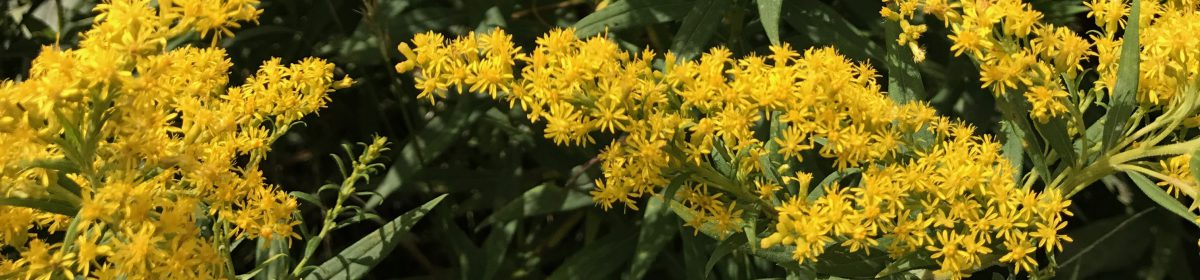
Hidden beauty because these pretty little flowers are generally overlooked because they are very small, maybe a quarter to three eighths of an inch across, and because they often grow in a place where people don’t want them, in lawns. I love finding beauty in unexpected places like this. These were growing in grass on an empty lot that’s up for sale here in town.

Farm Catch Up


Organic: Is it, or isn’t it?

There was a rather troubling item released the other day showing about 40% of organic produce tested was contaminated with pesticides that are not permitted for use by organic growers. The article in Wisconsin Agriculturalist talks about the whole organic situation briefly.

While organic growers in the US are fairly well monitored, the same can’t be said for sources outside of the US. And with up to 80% of organics being sold in this country coming from elsewhere, that’s a bit troubling. USDA doesn’t have the staff or funding to do more than token inspections of organics coming into the US and has to rely on certifications and inspections being done in the country of origin. And considering the horrific stories coming out of places like Brazil involving the meat industry, well, let’s jus say that the inspection systems in other countries are a bit problematic and leave it at that.

And am I wrong in this, or was one of the principals of organic farming supposed to be that food should be grown close to where it’s consumed? Organic isn’t just about growing crops without pesticides. It was a whole philosophy of reducing the use of fossil fuels, producing crops in a sustainable manner, tying to keep food production as local as possible. If you’re shipping “organic” produce 5,000 miles in massive container ships or flying it in via cargo plane, how exactly is that “organic” in the first place?

Canola Oil – The Short Story

I ran across this item over on Wisconsin Agriculturist. It’s a brief little item about how canola oil, one of the most important vegetable oils we produce, was originally developed and how it’s become one of Canada’s most important ag products.

It’s an interesting story. Canola oil didn’t even exist until the mid 1970s when plant scientists bred a type of rapeseed plant that lacked the undesirable traits of the original plants, and processing technologies permitted turning the seed of the plant into one of the most widely used vegetable oils we have. The problem rapeseed had originally was that it contained relatively high concentrations of euric acid, which can be toxic in large amounts. The new plants still have some trace amounts of euric acid.

Then, of course, they had to change the name of the stuff because “rapeseed oil” isn’t exactly appealing for consumers, so they came up with the name “canola” for it. The rapeseed plant’s name has nothing to do with acts of violence, but instead comes from the latin word rapum, which means turnip.

Anyway, go give it a read. It’s a nice little article.

In the “What the Hell Is The Matter With Them” department, we have Illinois

It seems that no matter how bad things get here in Wisconsin, we can always indulge in a bit of schadenfreude by looking at our neighbor to the south, Illinois. No matter how corrupt, inefficient, callous and cruel our political system here in Wisconsin has become, we can always look south and say “well, at least we aren’t in Illinois”.

Illinois is in the middle of a financial hell hole of it’s own making. The state just failed to pass a budget. Again. They haven’t had a state budget in two years, and are well on their way to three years in a row without one. The state is operating largely on a serious of short term spending resolutions, court orders forcing it to pay people, and legally mandated debt payments. Other than that, the state is in financial hell as bills continue to pile up, interest piles up, it’s credit rating plunges, and a bond rating that is just one level above junk bond status. The interest payments caused by it’s failure to pay bills promptly is going to cost it almost three quarters of a billion dollars alone.

This didn’t happen overnight, of course. The state (and the city of Chicago) has a long history of playing fast and loose with it’s bookkeeping practices, using accounting tricks to cover things up, postpone paying things into the future, shortchanging it’s pension funds and basically engaging in practices which, if done in the real world, would have ended with a lot of them going to jail for a very long time indeed. It owes it’s pension fund alone something like $129 billion because of it’s fiscal mismanagement. But since it’s the government and they make their own rules, they’ve been getting away with it

For those of us in Wisconsin who are sitting up here chuckling over the misfortune of the FIBs, well, it can happen here. This administration has been fiddling with the books as well, using accounting tricks that would be illegal in the real world to postpone debt payment, borrowing money to prop up the budget, especially the transportation budget. At the moment about 20% of every dollar going into the transportation budget is being used to make payments on past borrowings because the administration hasn’t been willing to fully fund all of the road projects it has mandated. This budget cycle we’re looking at the state borrowing another $500 million to try to keep it’s road projects going.

If you think Illinois can’t happen here, just remember what happened to the money the state got from the settlement with the tobacco company years ago. Wisconsin got almost a billion dollars to settle up with the tobacco industry. The money was supposed to go to health care, tobacco prevention programs, and programs to help people get off of tobacco addiction. It didn’t, of course. The state just flat out stole it, using the money to plug a hole in the state budget.

Weather Related Crop Failures

I haven’t seen a lot of news items about it yet, but we’ve already seen a lot of crop failures due to unusual weather all around the country. In many of the counties around here we’ve seen an almost total failure of the alfalfa crop, with losses as high as 80% or more. Down in Georgia and South Carolina there is a near total failure of the peach crop, with losses as high as 85%. The blueberry crop down there was hit hard as well. Farmers there are looking at a $300 million loss to the fruit crop. Large parts of the midwest have had significant delays in getting the corn and soybean crops in the ground because of abnormally wet weather. Up in Canada one region has been unable to plant tens of thousands of acres of wheat because of wet weather. Down in Australia they’re having the opposite problem, not enough rain, with significant damage to the canola and garbanzo bean crops.

Curiously enough, the commodities markets seem to have been ignoring all of this and there has been little movement in the futures prices except for the usual thrashing up and down a few cents.

Pink Slime Redux

Remember “pink slime”? You may not. It’s been a while since that scandal story hit the airwaves. ABC ran a story about this stuff, “finely textured beef”, that was made from stuff scraped off the bones of cattle, left over from the trimming process, basically stuff that would have otherwise gone into pet food or be thrown out, which was then ground up, had the fat removed from it, was treated with ammonia, and then injected into hamburger, and then they didn’t tell anyone about it. The stuff is… Well, let’s just say it’s not exactly appealing and leave it at that. Even more troubling was the fact that this was being done without any labeling or any indication that something other than normal beef was in your hamburger.

One of the major manufacturers of the stuff was not happy about the story because their sales plummeted, and they sued ABC and several individuals back in 2012, and it’s finally going to be coming to trial. The company is asking for about $1 billion in damages.

It will be interesting to see what happens with this one. Despite everything the company says, I don’t remember ABC claiming anything that wasn’t absolutely true during the report. But the way things are these days, the outcome of the trial is a coin toss, really. Whatever happens it will probably end up in the courts for years with the losing side appealing.

It’s a sad but true fact that you pretty much don’t know what the hell is in the food you buy unless you’re preparing it yourself.

Grain Facility Explodes

A corn processing facility in Cambria Wisconsin exploded, killing two and injuring more than a dozen others. According to the story in the link above, the facility had a history of safety violations, including failing to properly control potentially explosive dust.

These facilities can be extremely dangerous. Grain dust is not just a fire hazard, it is also an explosive. Until government agencies like OSHA clamped down, grain elevators and other grain processing facilities used to explode every year. There is a mill just down the street from my place and until fairly recently it was a running joke that the place burned down every year, and just a few years ago they had a massive fire that had units from a dozen or more fire departments scurrying down our street to try to get it under control. For an entire day after the worst was over, we had water tankers running down our street every 4 minutes (we timed it) to dump water on the smoldering remains.


Spring Photos

How about some spring photos?

DSCF3725.JPG

Baby pears! The tree is loaded this year. It’s a long wait, they won’t be ready to eat until mid to late September, but they’re worth it.

DSCF3712.JPG

I normally prefer bright, showy flowers, but there is something to be said for subtle colors as well.

DSCF3714.JPG

DSCF3717.JPG

DSCF3718.JPG

Hostas! These guys have been thriving in the cool, wet spring we’ve had so far.

DSCF3719.JPGDSCF3728.JPGWe have several different varieties and colors of iris here, and they’re doing really well this spring as well. They’re just on the verge of popping open. They should be in full flower in the next day or two

DSCF3724.JPG

I’ve always been fascinated with these guys. I have no idea how they keep growing. They’re basically growing in nothing but rock, areas where nothing else can survive.

Let’s wrap things up with this one, one of the brighter, more showy flowers we have going at the moment.

DSCF3734.JPG

That’s it for this time!

Get out there and play in the dirt!


Milk Again

Some of you are probably getting tired of me talking about the dairy industry and the

Screen Shot 2017-04-27 at 6.43.56 AM
Cow is angry.

problems it faces, but I ran across an editorial over at Wisconsin Agriculturalist that was really well written and well thought out that talks about the situation the dairy industry is facing. Go give it a look if you have a few minutes.

The writer brings up a lot of points that I’ve talked about myself, or have at least thought about. I wanted to pass some of that along with my own thoughts on the subject. So if you’re sick of me babbling about dairy farming, feel free to skip this one. I won’t blame you at all if you do.

As the author points out, blaming Canada for our overproduction problems down here is just plain stupid. He doesn’t use that word. He’s more polite than I am.

Blaming Canada for our problems and Grassland cutting off some 75 or so farmers from a market for their milk is stupid. Demanding that the government “do something” to change Canada’s milk production and marketing system because of our problems down here is sort of like a kid demanding his parents take away his friend’s Playstation because he doesn’t have one himself.

Canada has a milk production/marketing system that works fairly well. Dairy farmers enjoy relatively stable prices that let them make a reasonable profit. But the price they pay for this is that their production is strictly limited. They have a system in place that permits them to only produce a specific amount of milk. If they want to expand their operation, the only way they can do it is by acquiring the quota of a different farm that is shrinking or going out of business.

This also means that Canada has to put in place import restrictions that prevent outsiders from dumping their surplus product onto Canadian markets at cut-throat prices and destabilizing their whole system.

This, some claim, is “unfair”. Canada, they claim, should simply allow the US to dump it’s surpluses on the Canadian markets so the US can continue to ramp up milk production to make even more product that no one wants and wrecking the Canadian dairy industry just as badly as we’ve wrecked the US markets.

They want a “free market”. But only a market that’s “free” for them, and not for anyone else, it seems. They want a market where they are free to dump their excess on everyone else, but at the same time they want the US to protect them from other countries doing the same thing to us. Hence all of the rhetoric coming out of DC about tariffs on imports, claims that China and Mexican products are “destabilizing” our markets by dumping cheap products on us.

But we should be able to do it to them?

Could the government here ever develop a marketing system that actually works? Sure it could. But it won’t. It can’t.

The problem is that the government is no longer in the hands of elected leaders who represent us. Instead politicians have sold their souls (and ours) for the almighty dollar. Their actions are being influenced not by the voters who elect them, but by a handful of well financed special interest groups that are largely funded by a tiny handful of wealthy individuals and corporations and which pump hundreds of millions of dollars into election campaigns.

The author of the editorial wants farmers to join up with one marketing board or farmers’ organization or other to try to work with the government to get changes made. It’s highly unlikely that will work. It certainly hasn’t worked in the past. Farmers’ organizations attempting to change the system have come and gone by the dozens, and almost none of them have had any real positive influence on things. In some cases, they’ve made things worse.

What’s the solution? The government isn’t going to be any help. That system is largely broken. The government no longer responds to the needs of the people it’s supposed to represent, but only responds to those who can write out six figure checks or own a high priced and well funded lobbyist in DC.

I wish I had an answer. I don’t.