… at grouchyfarmer.com’s palatial headquarters. I somehow managed to entirely mess up my right hip and only now am I getting back to normal. I could stand or sit, but transitioning between those two situations caused such excruciating pain I could hardly stand it. The consensus was I severely strained or perhaps even tore some muscles in there somehow. Going to the bathroom was pure torture because sitting down on the commode or standing up after sent a pain through my hip that made me want to weep. And I could forget completely about getting out on the bike.
So even though it’s now early summer and absolutely beautiful out there and the gardens are thriving, I’ve been more or less cooped up in the house being more grouchy than usual and not having enough ambition to do much of anything.
Anyway I’m about 80% back to normal now. I’m at the point where I might try taking the bike out for a run around the block in the next day or two just to see how it goes.
Another thing that had me grumpy is that except for the first night I had the new Sestar 30 Pro telescope, every single freaking night we’ve had has been overcast. Do you have any idea how incredibly frustrating it is to have a brand new telescope and having cloudy weather every single night? Arrggghh!
But now, finally! We had clear skies early last evening and I was able to get the scope out…
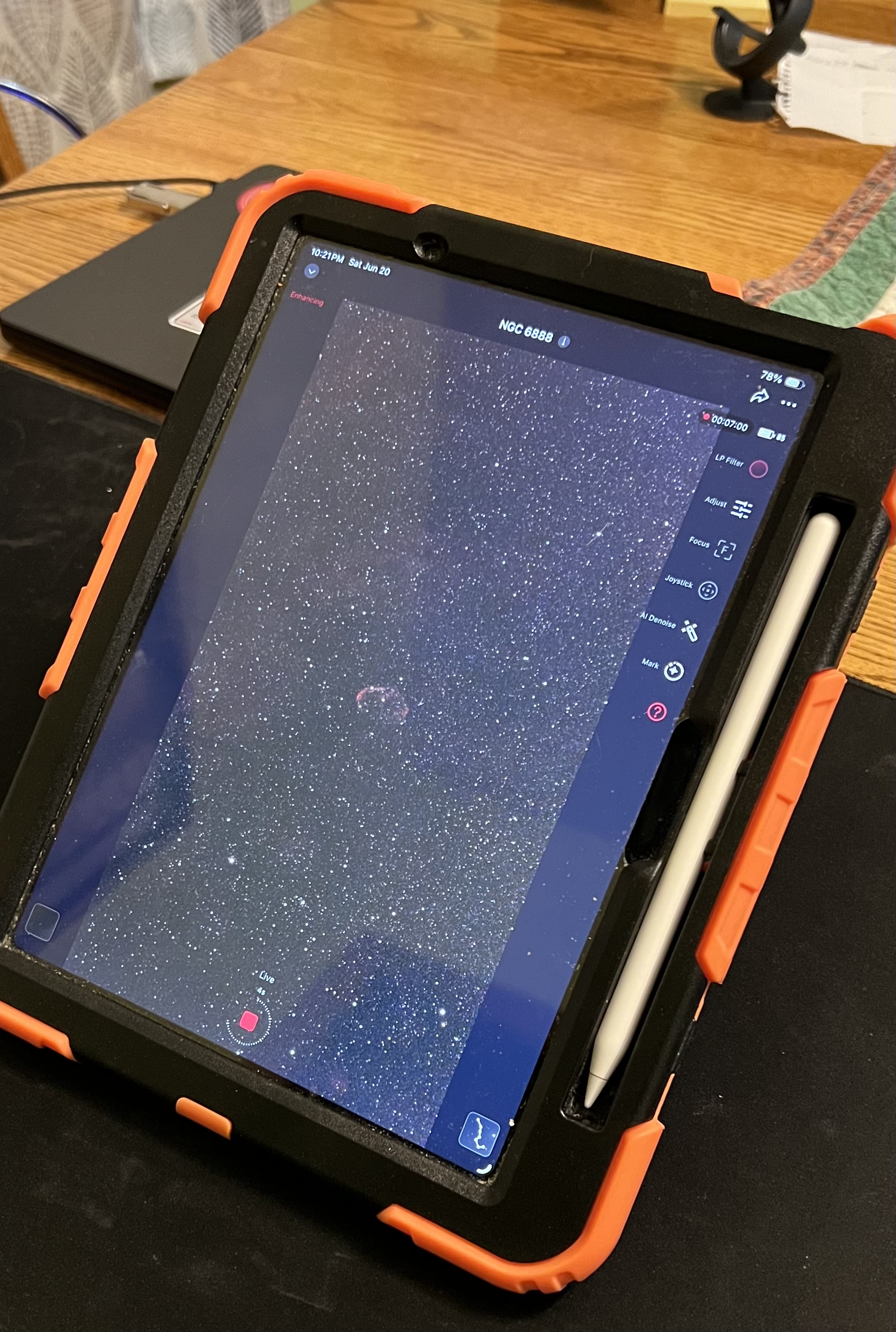
Well I say able to get the scope out. And it was out, but I was sitting inside comfortably at the kitchen table having a snack while running the scope from my iPad. If you’ve ever had to endure dealing with clouds of mosquitoes, freezing temperatures and the other inconveniences of using a visual telescope, you can imagine just how amazing it felt to be running the scope comfortably from inside the house. It almost felt like, well, cheating, somehow. And I suppose some amateur astronomers will claim that it is. Spending hours outside in the dark, having your blood sucked dry by mosquitoes in the summer, or trying to keep your fingers and toes from freezing in the fall and winter, is, according to some of them, part of the “joys” of amateur astronomy.
Yeah, sure it is…
I got some neat images despite the fact that it wasn’t even fully dark yet when I started this. Last night was the shortest night of the year so at about 10 PM or so when I started it wasn’t even completely fully dark yet.
Let’s start off with this.
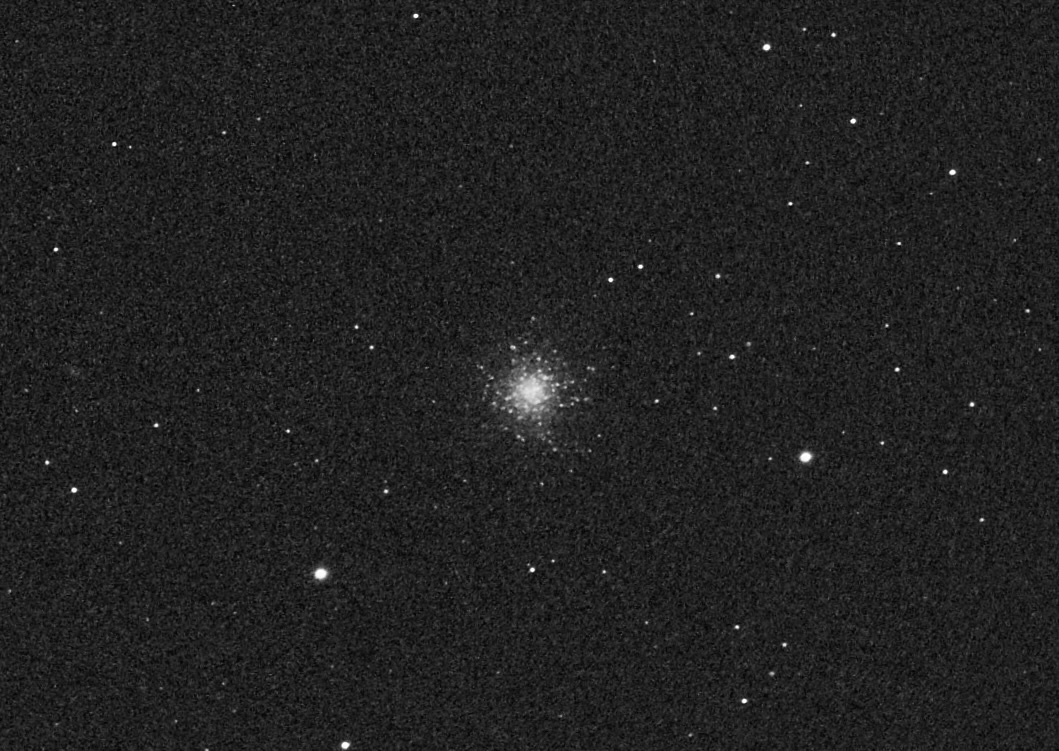
That’s a globular star cluster designated as M 13. It’s the great globular star cluster in the Hercules constellation and it is an astonishing thing when you discover what it actually is. Globular clusters are groups of hundreds, even tens of thousands of stars tightly packed into a tiny, spherical group. In this case several hundreds of thousands of stars packed into an area less than 145 light years across. Exactly how many stars are in there isn’t known but it could be as many as a half million.
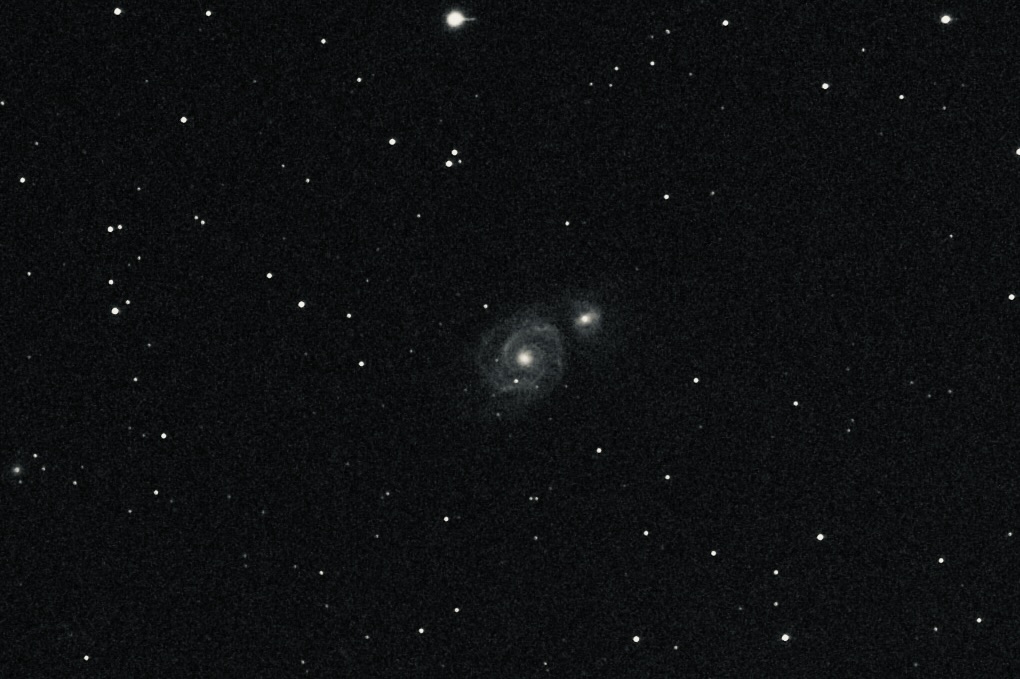
Above is M 51, the Whirlpool galaxy and its companion. That this one turned out this good surprised me a bit because even though it was high in the sky, near the zenith, my conditions here at the house are horrible with light pollution so bad you can almost read a large print book sitting in the backyard at midnight, plus it wasn’t fully dark yet. All things considered I’m pleased that it turned out this good.
The one that really surprised me was this one, though:
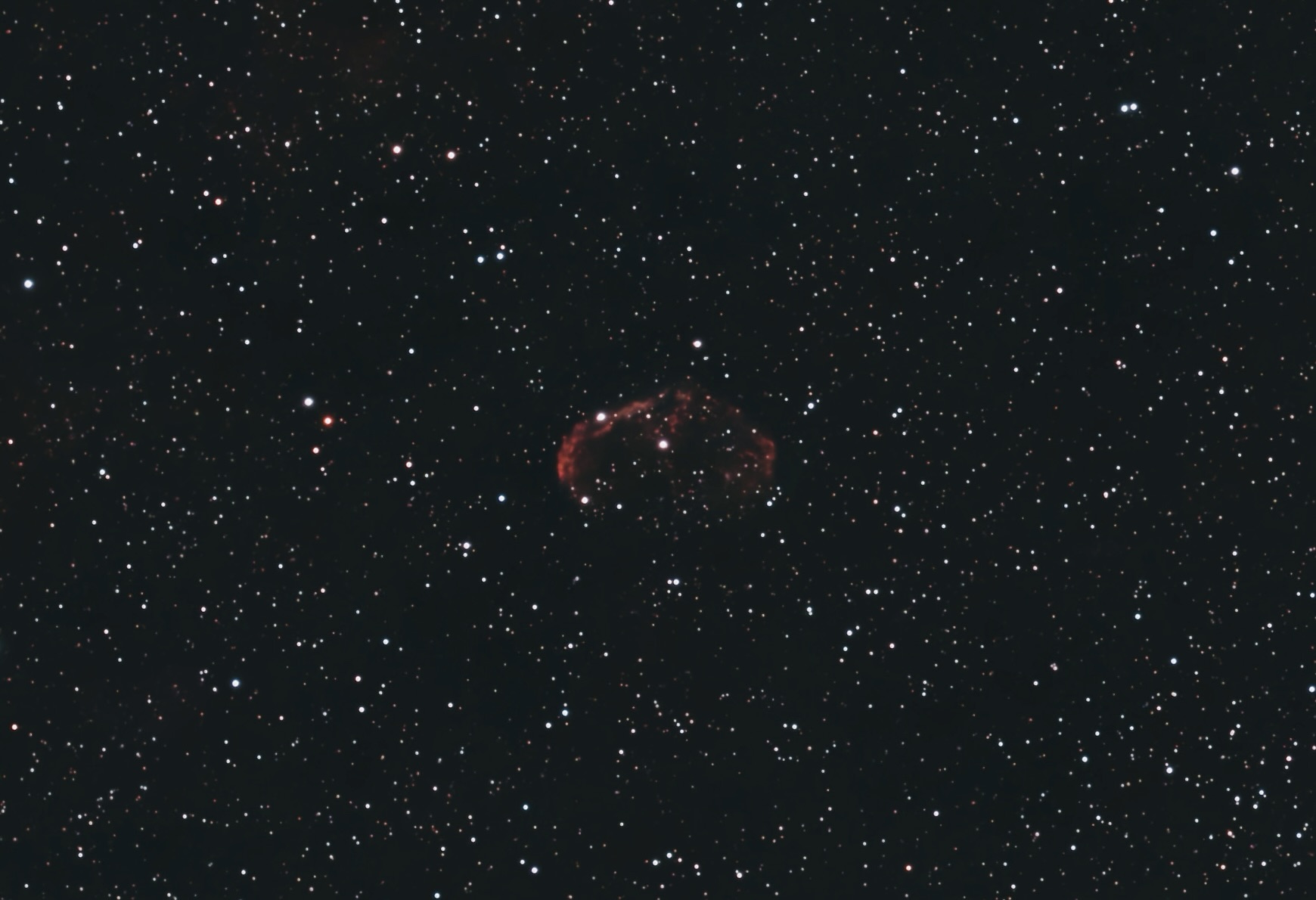
That’s NGC 6888, the Crescent Nebula in Cygnus. Nebulas like this can be a pain in the neck to image in light polluted locations like mine so I was surprised I was able to capture anything at all. That this not only showed up but even shows some color was a bit amazing to me.
Now let’s do a little experiment. I’m going to take that same image of M51 up there and run it through some AI filtering and see what happens. I’m not entirely sure how this is going to turn out because this is the first time I’ve tried this.
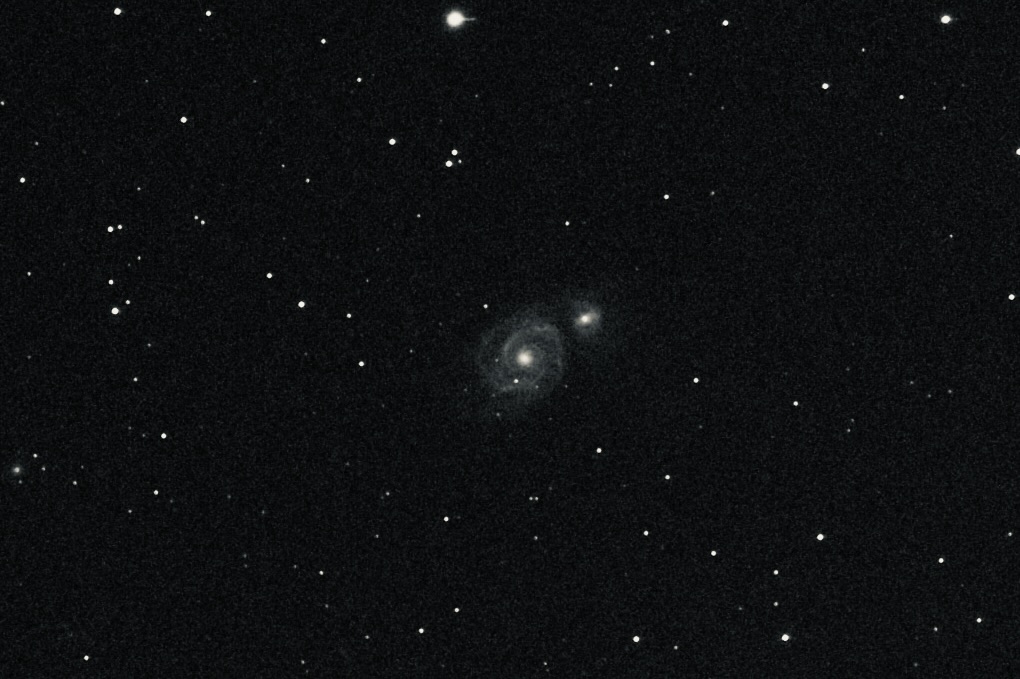
Hmm… I’m not entirely sure what to make of this. I don’t believe for a moment that there was enough information in that original image of mine for the AI to come up with what looks suspiciously like an image that was taken with the Hubble from NASA. I’m suspecting that instead of enhancing the image it’s sucking up data from NASA’s telescope database and adding it in.
Let’s see what it does with that nebula
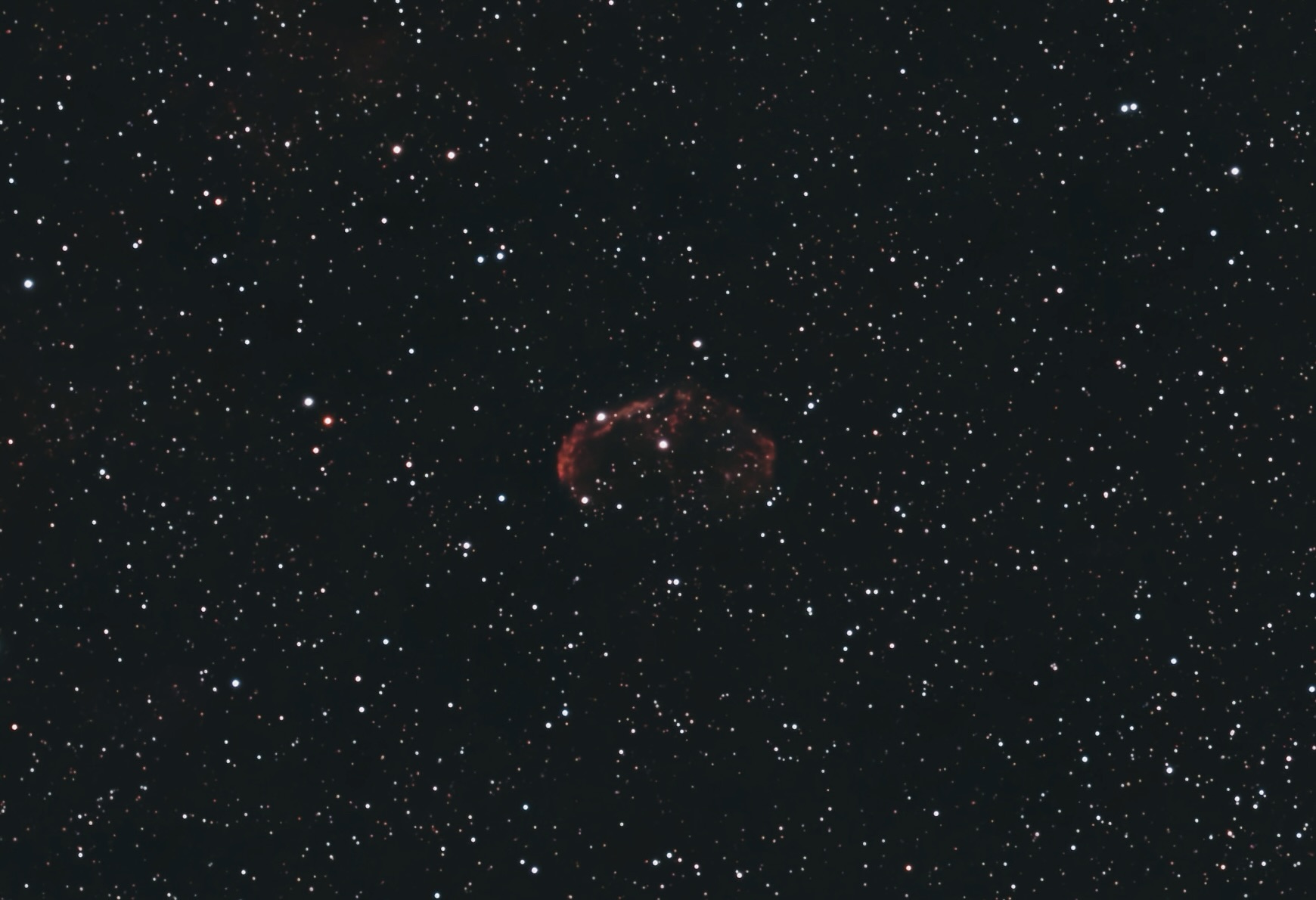
Hmm, again, I’m not sure where it’s getting the data from to do this because I don’t believe there was enough information in the original image to get these kinds of results.
Anway, that’s it for now. Just wanted to share the new images from the scope.


Sorry to hear about the hip problem, but the results from the new scope are exciting. Not that I know much about such things, as the sheer scale of the universe makes my head hurt just thinking about it!
Best wishes, Pete.
LikeLiked by 1 person
Sorry about your hip. Your incapacities remind me of some of the things I went through with my broken shoulder (which now, thankfully, is pretty much healed).
Interesting pictures, but my interest in astronomy is rather placid.
LikeLiked by 1 person
Your hip experiences remind me of what I went through with my broken shoulder (which is pretty much healed now, thank goodness).
Nice shots, but I have limited interest in astronomy. Not so in my younger years, but it’s faded over time.
LikeLiked by 1 person
I would like to chime in on the hop problem and say this….if you have the habit of keeping your wallet in your rear pants pocket, I would suggest keeping it in a front pants pocket because it might be causing some sciatica pain… I had that problem for awhile and the wallet was the cause of it. — The images on the post that you called a test post were beautiful and I could not ignore them …I have prayed over your hip pain and I am believing that by the time you receive this you might have some relief. Let me know.
LikeLike
thanks for the advice and you’re absolutely right about keeping a wallet or cell phone or something similar in one’s trouser pocket. I think part of the problem with me was my cell phone which I habitually kept in my right front pocket where it was pressing against my hip whenever I was sitting down or going up and down stairs.
Thank you very much for your sympathy and prayers. It is very much appreciated!
LikeLike
GF it seems as I get older aches seem to appear willy nilly and it takes a week or so to right itself….great photos from the tele….that is the problem down here clouds are always around. chuq
LikeLiked by 1 person
It definitely takes longer to recover after even relatively minor injuries as we get older. Just a fact of life I guess. Like I’m said I’m doing much better unless I over do things. I was on my feet way too long yesterday and it was bugging me by evening. But as long as I do stretching and I’m not standing in one position for too long I hardly even notice it any more.
Yeah, that scope is working much better than I really though it would. The images after doing some processing are amazing even with the poor conditions I have here. Alas the clouds haven’t been cooperating. The clouds haven’t been helping with the solar power system either.
The raw images don’t look like that much but after processing, wow… I should point out that all astronomical photos go through processing in order to bring out detail that would be ‘lost in the noise’, so to speak. If the weather every starts to cooperate and I can get some additional useful images I should probably explain how all of that works. All of these breathtaking images we see from NASA and the professional observatories are processed and enhanced to bring out details that the human eye would never be able to see if you were looking through even a very powerful visual telescope.
LikeLiked by 1 person
Getting older sucks. Keep looking you may yet find that ET waiting to come here and party….LOL chuq
LikeLike
Get well soon – ignore the smurfs and look at the bright side of life!
LikeLike